 When I first started enjoying scotch, Dalmore wasn’t a name I was familiar with. When you go into your local liquor store, which isn’t going to have a huge selection of scotch, you see a lot of the same names. Many of them are owned by spirits conglomerates like Diageo (Johnnie Walker, Oban, Talisker, Lagavulin, Glenkinchie) or Pernod Ricard (Glenlivet, Aberlour, Chivas Regal).
Dalmore is owned by a conglomerate, albeit a smaller one, named Whyte and Mackay. I’m a fan of another single malt in their lineup, Jura, and Dalmore is a distillery I’ve come to admire in the years since disclvoering it.
The latest one I’ve tried is Dalmore Mackenzie, a “tribute to Clan Mackenzie.” It’s matured in American white oak for 11 years and then finish in port pipes from Oporto for six years. In all, it spends 17 years maturing in oak.
What separates the Mackenzie from other scotches finished in port is how long it spends in port pipes – six years (and it’s a limited edition). Most scotches with finishes like this only spend a few years. Of course, more doesn’t necessarily mean better… so what’s it like?
- Color: Rich amber.
- Nose: Dry fruit, like out of trail mix, and a rich sweetness.
- Taste: Strong (46% abv) with a full body, fruitiness that you’d expect from finishing in port pipes, and a richness and warmth.
- Finish: That warmth and richness follows through and the overall sweet fruitiness persists. Not a lot of oak, I think the port finish covers that up but gives it that warmth.
The sad part is that it’s limited edition, only 3,000 were made in 2010 (I’m fortunate to have been sent a small sampling — yes, this post is way overdue), because it’s really nice if you enjoy port finishes.
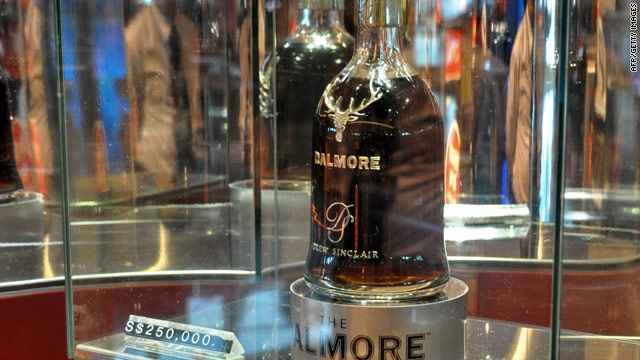
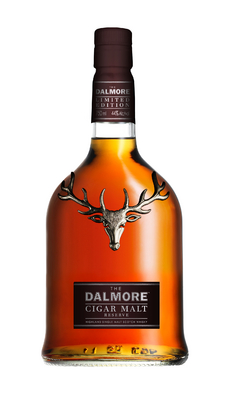
 Dalmore had three bottles of its Dalmore 64 Trinitas and has sold two of them. The Dalmore 64 Trinitas has a price of £100,000/€113,510 each, or approximately $156,980 USD as I type this and only one bottle is left. The first buyer was American collector Mahesh Patel, who claims to have over 1,000 bottles in his collection. It’s unclear who purchase the second but the third was reserved for The Whisky Show 2010 in late October (you buy tickets to the show and a winner will get to sample some!).